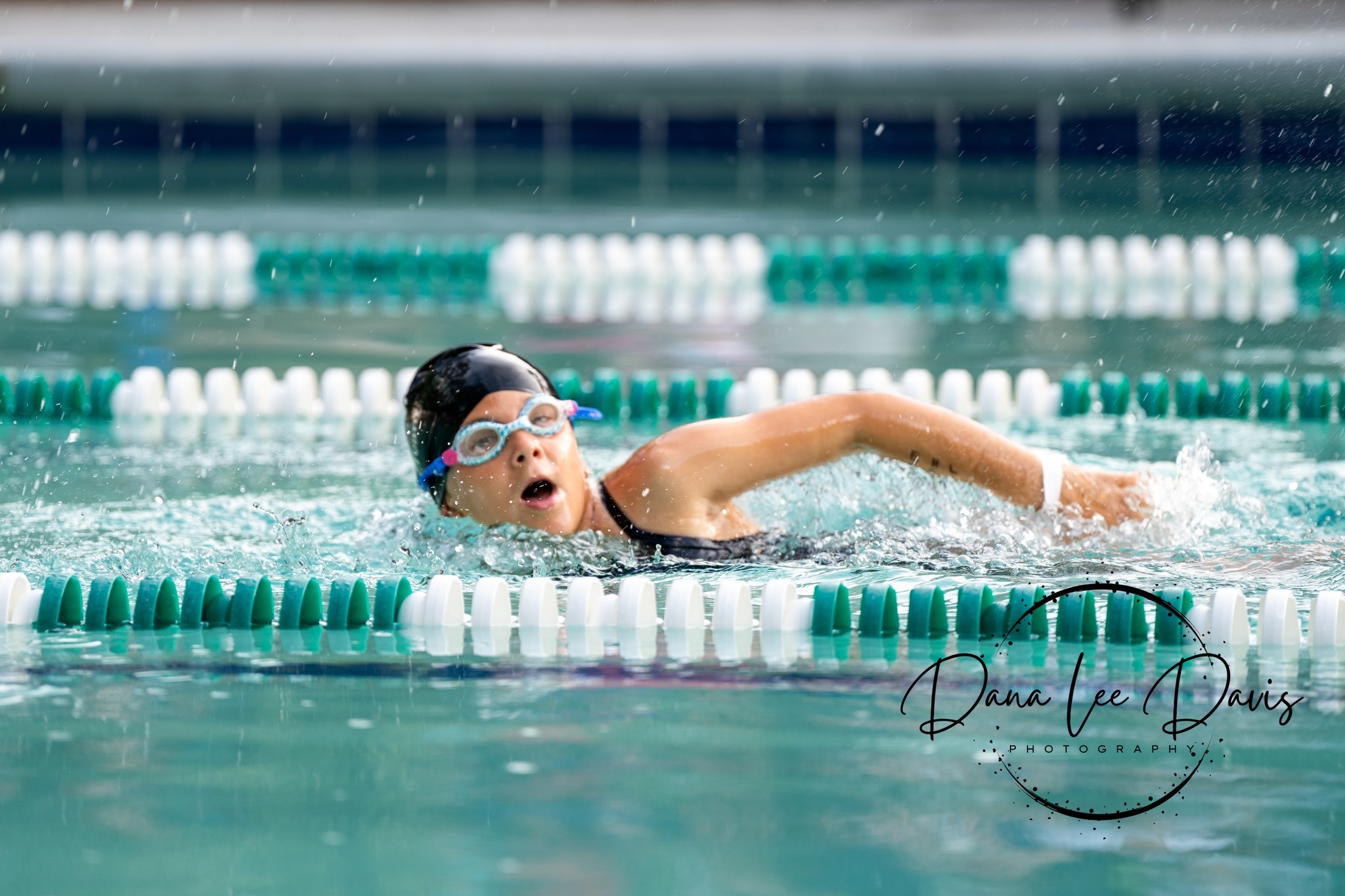


Stroke and Turn
Here is a brief description of each of the four main swim strokes:
This presentation (with nice, big pictures) clearly outlines what the meet officials are trained to look for.
Diving From Blocks
We adhere to USA Swimming Protocols to ensure the safety and skill development of our swimmers when diving from the blocks. Our process consists of five steps, each evaluated by our coaches before allowing progression to the next level of race diving.
You may wonder why your swimmer isn't diving from the blocks immediately. The answer lies in our commitment to a step-by-step progression, ensuring that swimmers are fully prepared and proficient before using the starting blocks.
This approach is rooted in safety, as shallow water diving poses a risk of serious injury if not executed correctly.
Here are the five steps in our diving certification process:
Prerequisite: Swimmers demonstrate the ability to hold their arms in a tight streamline and perform a forceful push and glide underwater on their front.
Step 1: Sitting
Step 2: Kneeling
Step 3: Compact
Step 4: Stride
Step 5: Shallow Angle Start
By following this structured approach, we prioritize the safety and development of our swimmers, ensuring they are equipped with the necessary skills for safe and successful diving experiences
Top Reasons for DQs
Freestyle:
- Using the bottom of the pool to propel forward.
- Pulling oneself along the lane line.
Backstroke:
- Rolling onto the stomach, except when executing a flip turn.
- Pulling on the lane line.
- Pushing off from the pool bottom.
Breaststroke:
- Performing a butterfly or flutter (scissor) kick.
- Failing to bring the head out of the water during each stroke.
- Maintaining the 1/1/1 ratio: one pull with the arms, one breath (or head coming up), one breaststroke kick.
- Allowing the arms to dip below the waist during the pull.
- Not touching the wall with two hands to finish the race.
Butterfly:
- Performing non-simultaneous arm movements.
- Allowing the feet to come apart during the kick.
- Failing to bring the arms out and over the water after each pull.
- Not touching the wall with two hands to finish the race.
All Strokes:
- Failing to complete the race.
- Stopping to adjust goggles (except in freestyle).
- Pushing off from the pool bottom.
- Pulling on the lane line.
- Swimming in another swimmer's lane.
Relay:
- Delaying departure from the water (not exiting before the next swimmer reaches the opposite wall) or departing prematurely (before the preceding swimmer touches the wall).
If your swimmer is frustrated with DQs, don't forget to remind them, the very BEST athletes still occasionally get DQ'd.
True story: A senior swimmer was responsible for getting her 400 free relay DQ'd at a 2016 District Meet. She was visibly devastated not just because she caused the DQ, but primarily because she might have eliminated a couple of her teammates from going on to the State meet. In the next event, the boys 400 free relay, her boyfriend, one of team's very best senior swimmers, caused his relay to be DQ'd.
Later that day, the she swimmer tweeted, "You know you're a power swim couple when you both get your relay DQ'd at Districts." A little humor helps.
Moral: It happens to the the very best athletes at all levels.
P.S. She later swimmer signed to swim at Ohio State University; her boyfriend signed to swim at Miami.
Never quit.